
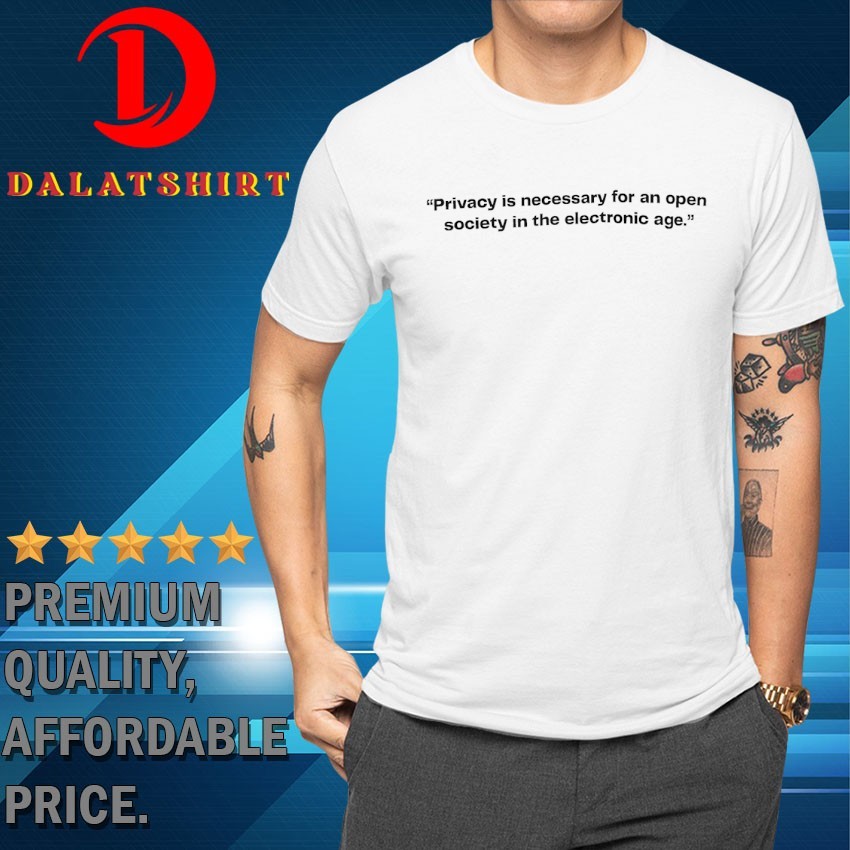
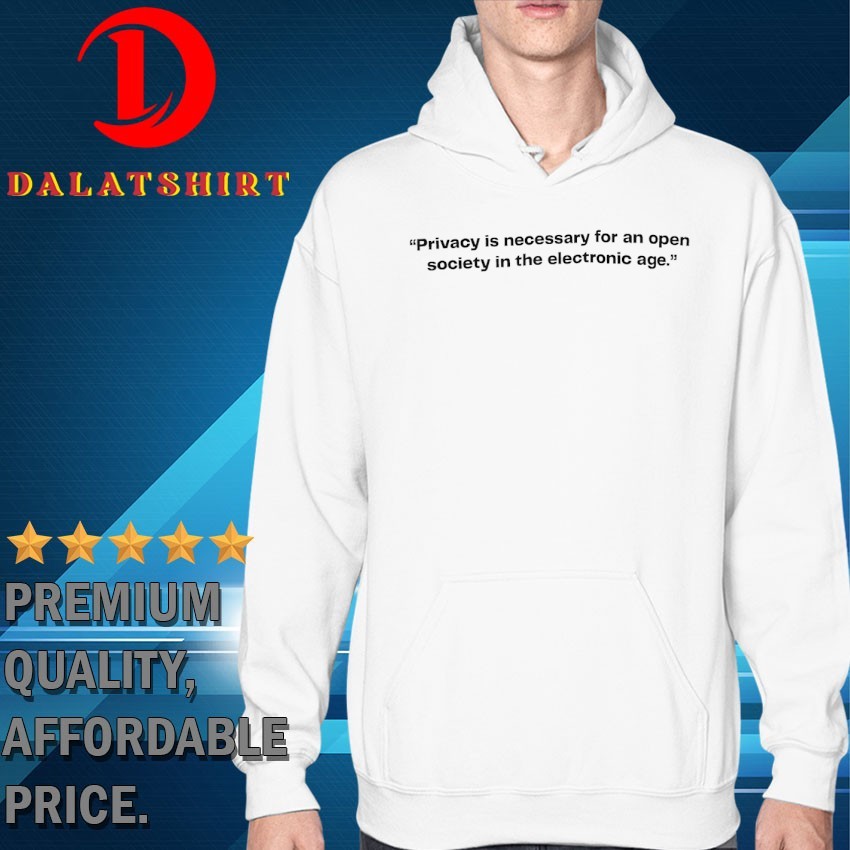
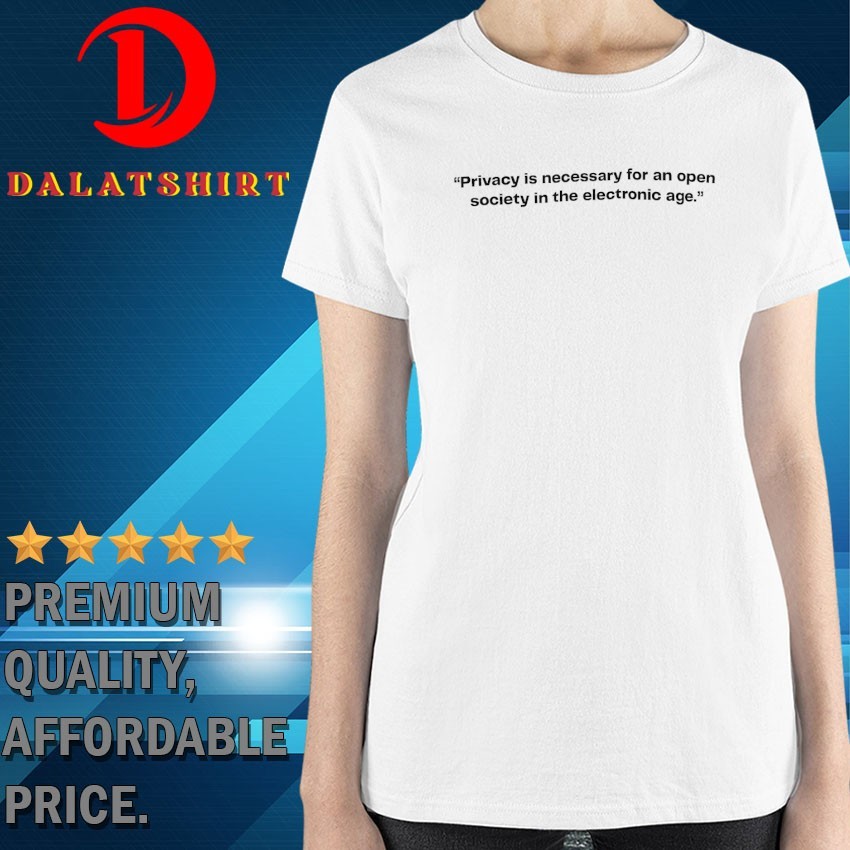
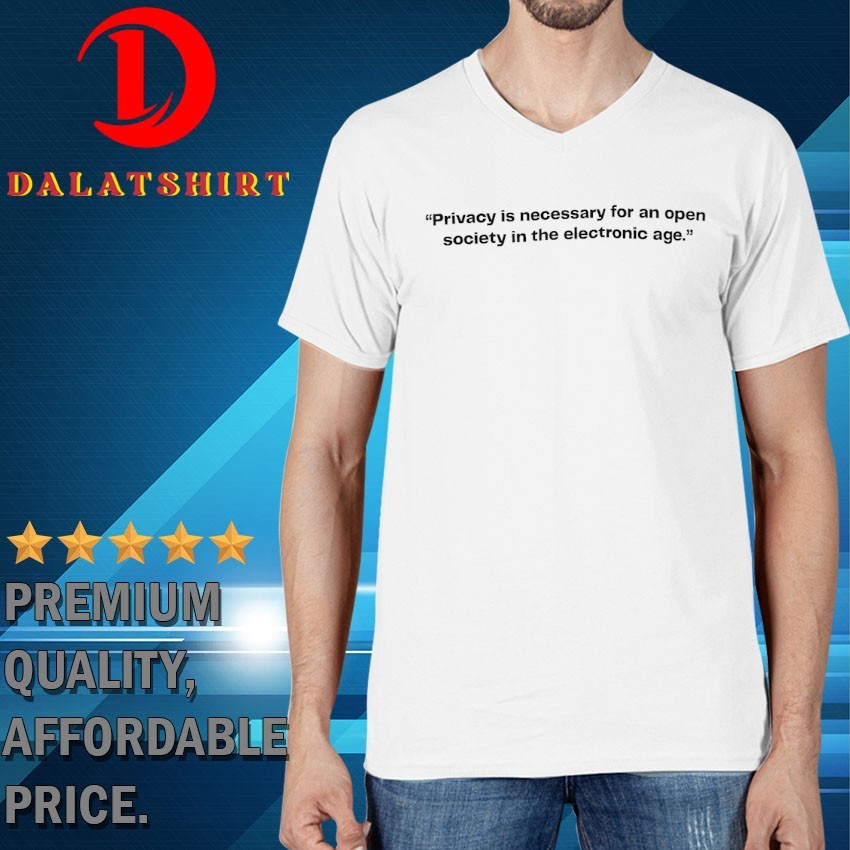
Original price was: $24.99.$22.99Current price is: $22.99.
My fingers tap against the worn tabletop, the faint sunlight catching dust motes dancing in the air, a familiar sight on a Tuesday afternoon. Thinking about Privacy is necessary for an open society on the electronic age brings to mind that first clumsy email address I created, a mix of letters and numbers I barely understood, filled with a sense of excitement and a touch of unease. Back then, it felt like unlocking a secret door, a whole new world of information and connection. Now, I see the price of entry. The whispers of algorithms, the constant tracking… it makes me feel a bit exposed, like the walls of my own mind have been rendered transparent.
There’s a certain freedom, a raw vulnerability, in truly open conversation. Remember that time I spilled coffee all over the important documents during that online meeting, the awkward silence as the camera caught my horrified face? Even that silly memory is now recorded, forever floating in the cloud somewhere. The digital age, with all its shiny promises of connection, can simultaneously make one feel more isolated. I often wonder if people are still truly -listening- to each other, or just reacting to carefully curated online personas.
Privacy is necessary for an open society on the electronic age T-shirts: A Unique and Creative Design
It’s about having the space to make mistakes, to experiment, to be authentically -you- without the fear of judgment. Like that embarrassing photo my younger brother took of me with food all over my face at a family reunion, which luckily ended up on an old phone that I had lost a few years ago. We should all have the space to grow, to change our minds, without being forever defined by a single click, a single post, or a single misguided comment. It’s like having a garden – you need some cover to bloom; otherwise, everything withers under a glare.
About this Privacy is necessary for an open society on the electronic age T-shirts
I recall a conversation with my grandmother, about the importance of being able to keep some things private. She had lived a whole life before the internet and had seen some things, felt some things. She described a quiet joy in not having every part of her life exposed to the public. She felt like it was her right to be able to have some things that were just hers. And I think she was right.
So, how do we protect the things that give an open society its strength? How do we build a digital world that allows us to connect, to learn, to grow, without sacrificing the fundamental human right to privacy? It’s a complicated question, a conversation that needs to happen now, right now. It’s time to start asking tough questions, demanding transparency, and reclaiming our digital spaces. Maybe it starts with turning off the notifications, going outside, and reconnecting with the real, unfiltered world around us, and talking to the people we love.